Introduction
Powder metallurgy (PM) is a highly specialized manufacturing process that uses powdered metals to produce complex parts with excellent mechanical properties. The method combines material science and engineering precision, offering manufacturers a path to cost savings, design flexibility, and sustainability. In industries ranging from automotive to medical, powder metallurgy provides a reliable solution for producing strong, lightweight, and intricate components.
What is Powder Metallurgy?
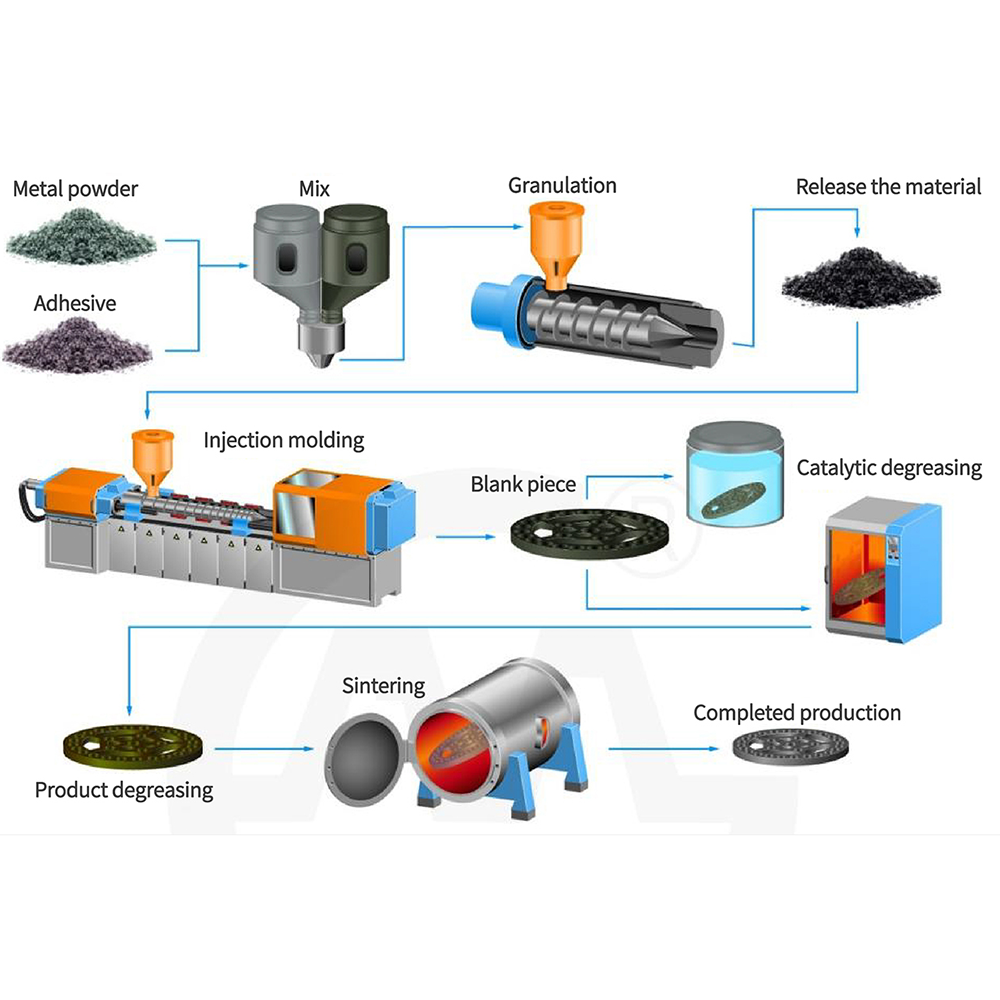
Powder metallurgy involves four main steps:
- Powder Production: Creating fine metal powders from raw materials.
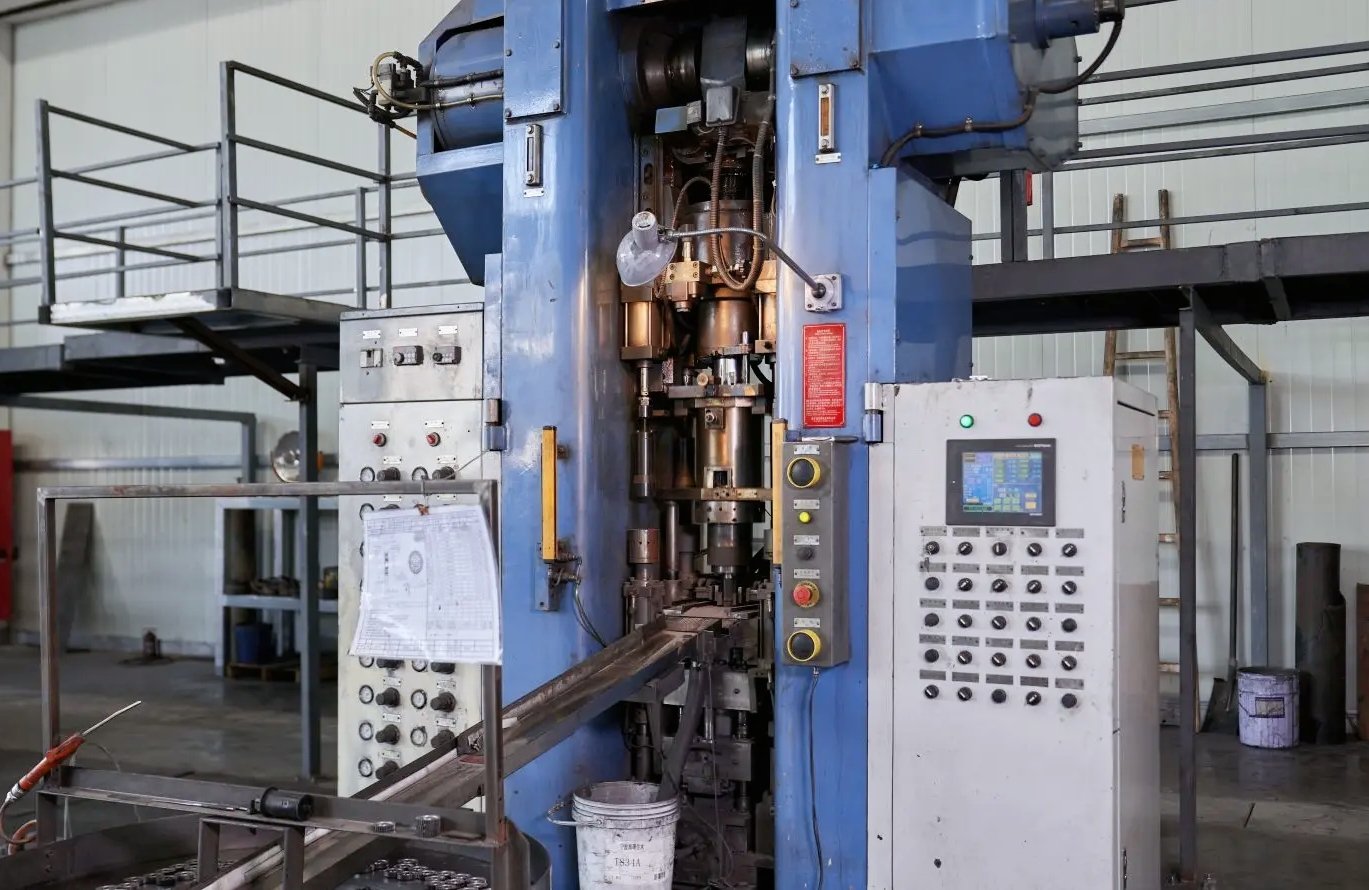
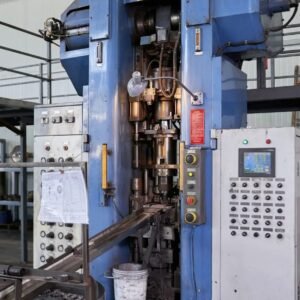
- Compaction: Pressing powders into a die under high pressure to form a “green” compact.
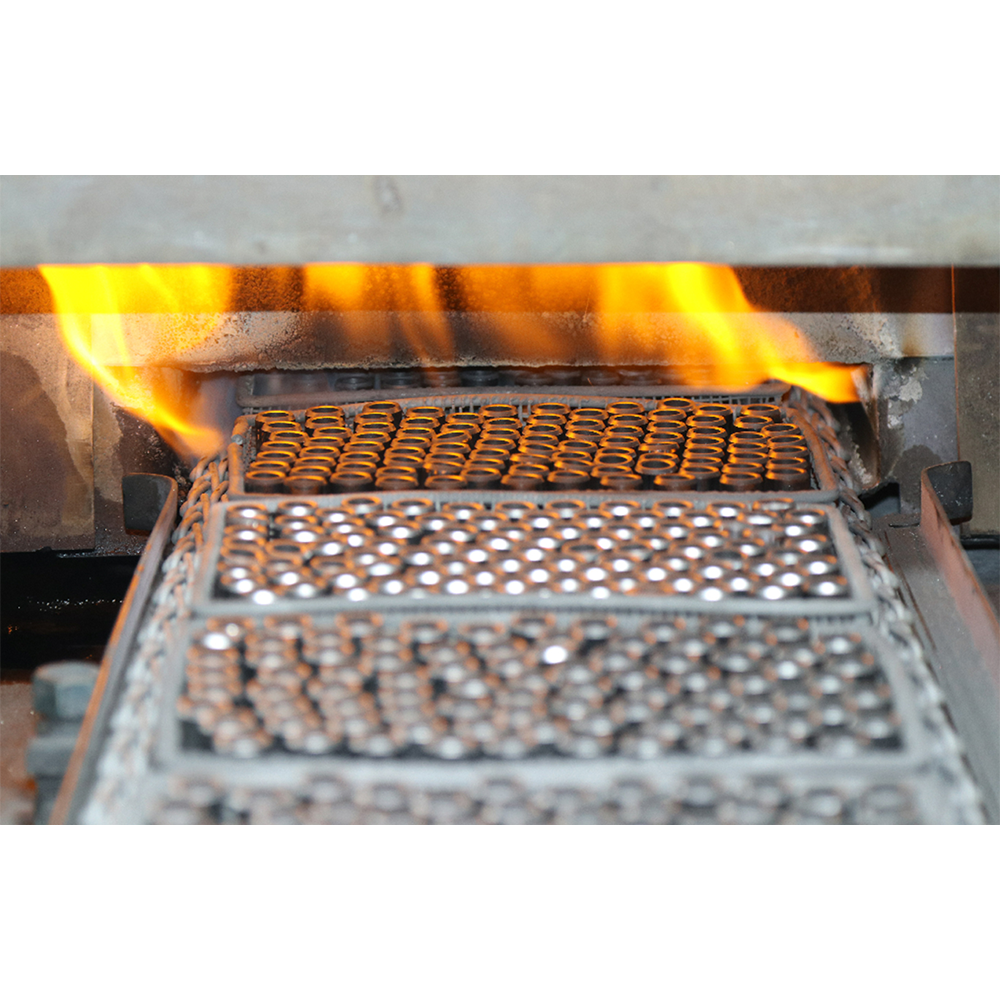
- Sintering: Heating the compact in a controlled atmosphere below the melting point, bonding particles together.
- Finishing: Secondary operations such as machining, sizing, impregnation, or coating to achieve final specifications.
This process enables near-net-shape manufacturing, minimizing material waste and machining requirements.
Key Benefits of Powder Metallurgy
- Material Efficiency: Almost all powder is utilized, significantly reducing scrap.
- Cost Savings: Ideal for high-volume production of complex geometries.
- Design Flexibility: Enables intricate shapes that are difficult or expensive to machine conventionally.
- Tailored Properties: Ability to blend powders to achieve specific strength, hardness, wear resistance, or porosity.
- Performance: Excellent dimensional accuracy and consistent quality.
Applications of Powder Metallurgy
- Automotive Industry: Gears, bearings, and structural parts requiring strength and wear resistance.
- Aerospace: High-performance alloys for turbine components.
- Medical Devices: Biocompatible implants and surgical instruments.
- Consumer Products: Hardware, power tools, and appliance components.
- Industrial Equipment: Cutting tools, filters, and specialty bearings.
Emerging Trends in Powder Metallurgy
- Additive Manufacturing Integration: PM techniques support 3D printing of metal parts, expanding design freedom.
- Advanced Materials: Use of titanium, superalloys, and composites for lightweight and high-strength applications.
- Sustainability Focus: Energy-efficient sintering and closed-loop recycling of powders.
- Miniaturization: Precision micro-components for electronics and medical devices.
Conclusion
Powder metallurgy is more than just an alternative to conventional machining—it is a forward-looking technology that aligns with the industry’s goals of efficiency, performance, and sustainability. By enabling near-net-shape production and advanced material properties, PM continues to play an essential role in industries that demand high-quality, cost-effective, and innovative solutions.