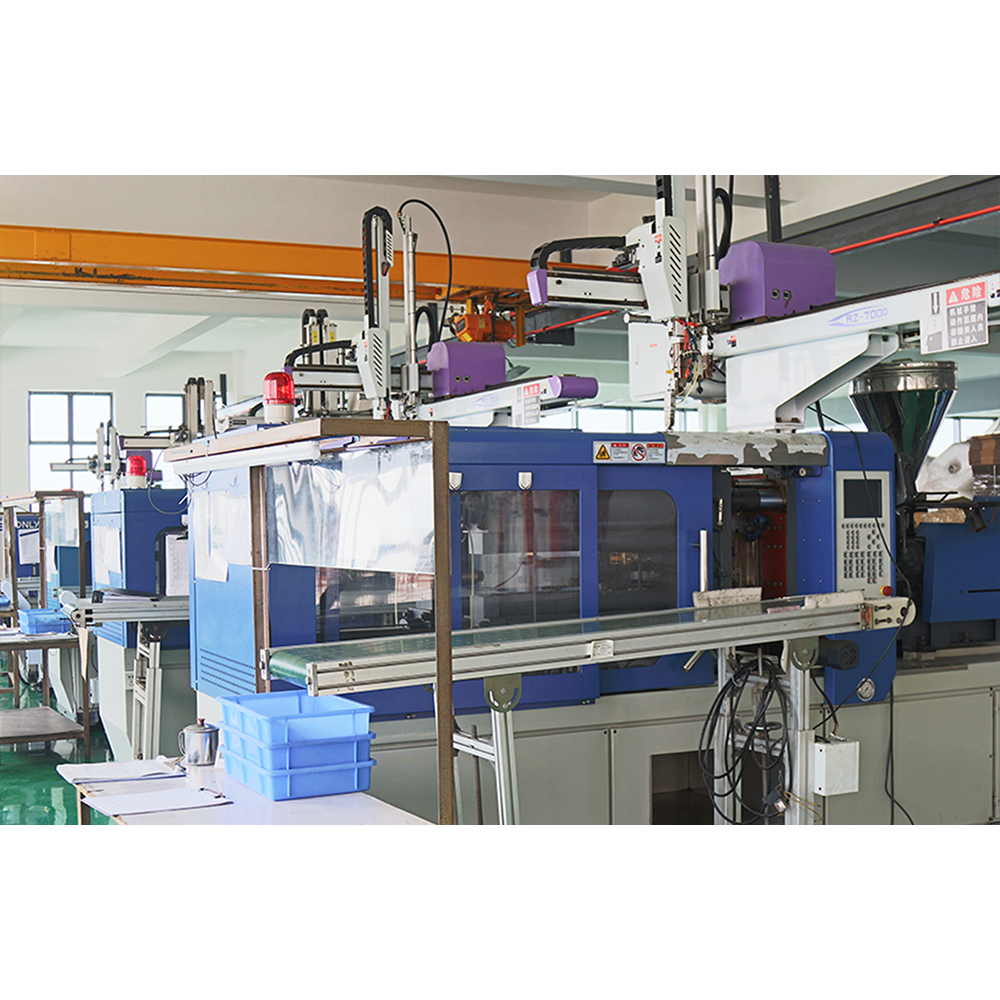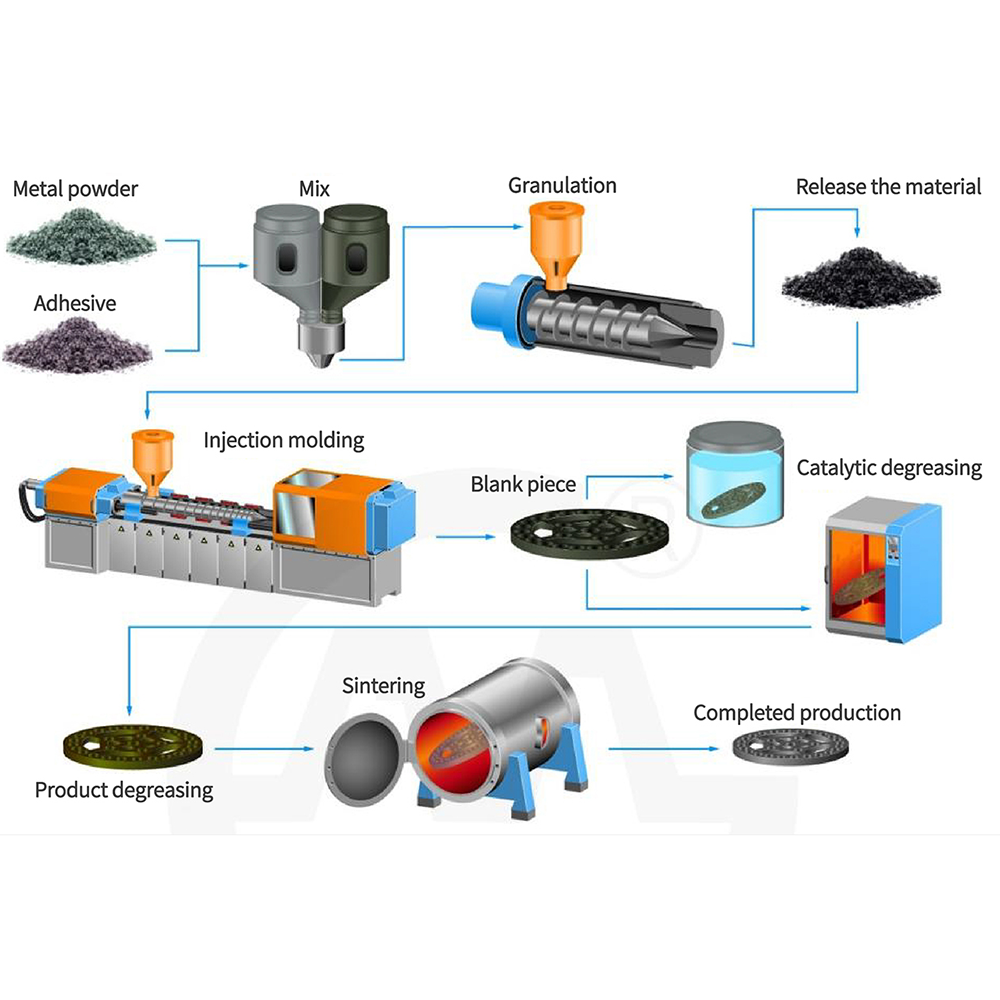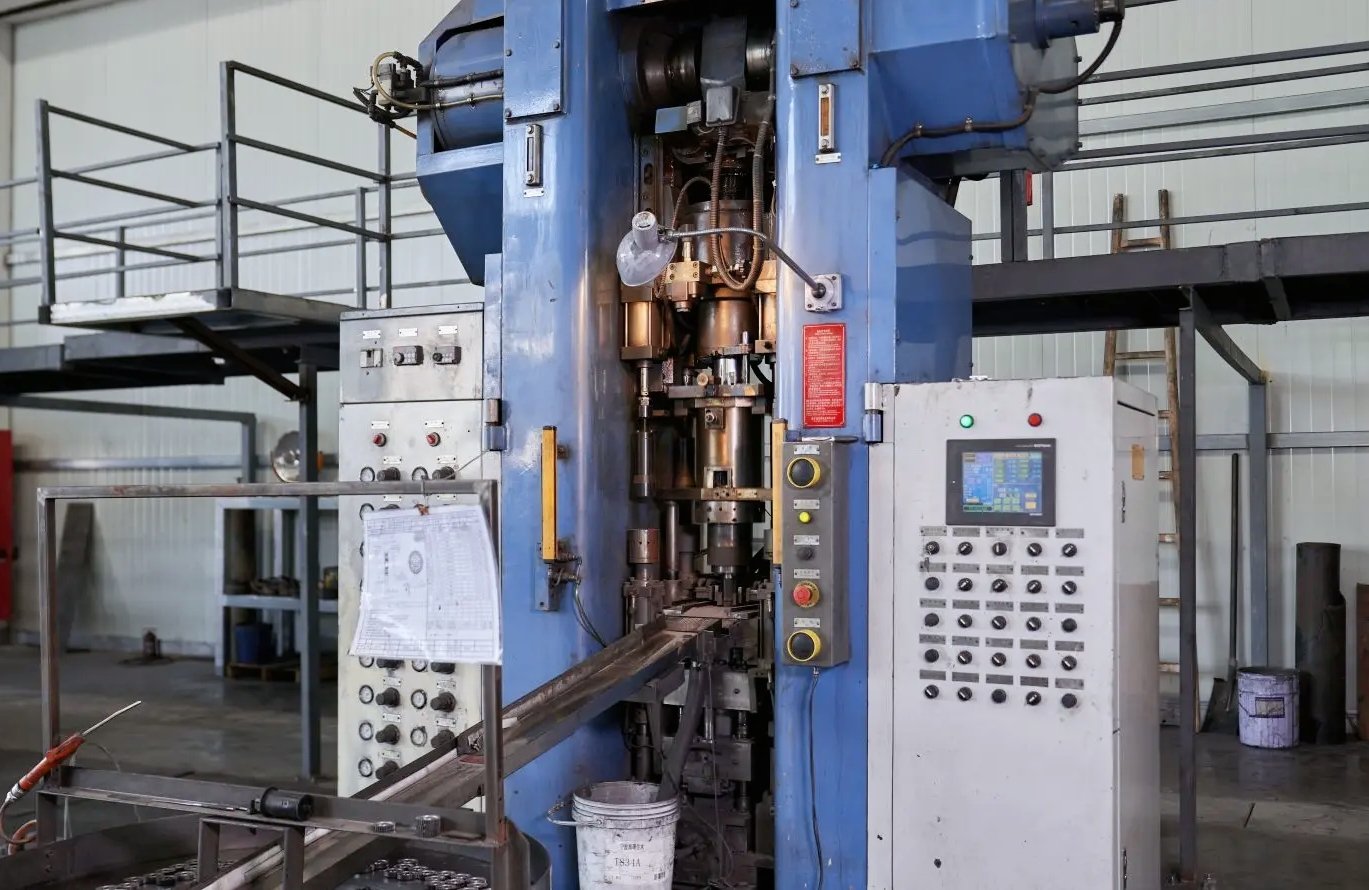
Powder metallurgy (PM) is a widely used manufacturing process that involves the creation of metal parts by compacting metal powders and then heating them to a temperature below their melting point. One of the key stages of this process is sintering, which is crucial for the final properties of the parts produced. In this article, we’ll break down what sintering is, how it works, and its significance in the powder metallurgy industry.
What is Sintering?
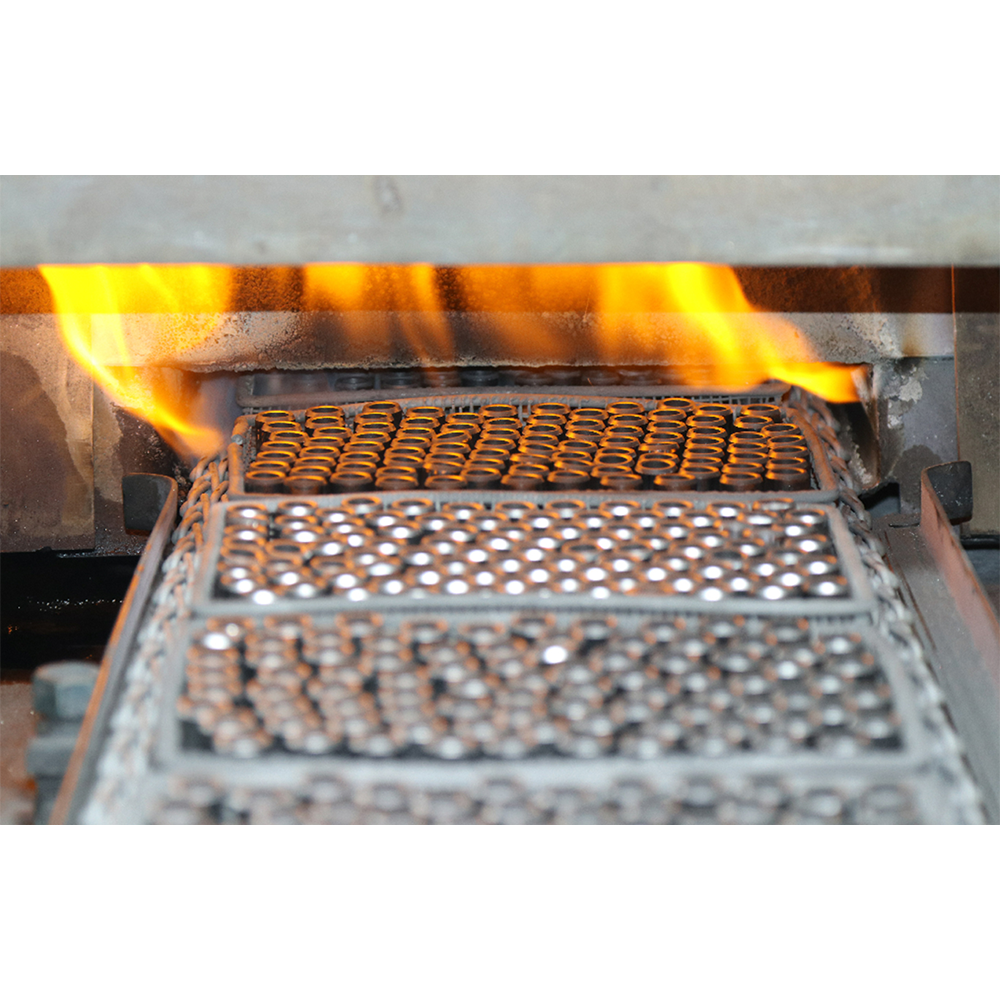
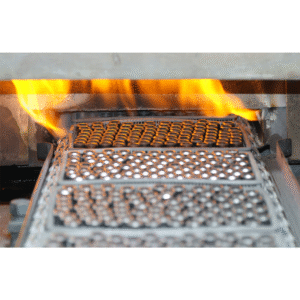
Sintering is the heat treatment process that binds the metal powder particles together to form a solid piece. During this stage, metal powders are heated in a furnace to a temperature just below their melting point, causing the particles to fuse together. The result is a strong, dense material that retains the shape formed during the compaction process.
How Does the Sintering Process Work?
The sintering process generally involves several stages:
1.Heating the Powder Compact: The metal powder mixture, which is compressed into a specific shape (usually by a mold), is placed into a furnace. The temperature is gradually raised.
2.Bonding of Particles: As the temperature increases, the particles begin to bond together at contact points, forming a network of solid material. This happens through the movement of atoms at the surface of the powder particles.
3.Densification: At higher temperatures, the powder particles experience shrinkage and densification, which results in a stronger and more solid part. The size and shape of the part are closely monitored to avoid distortion during this stage.
4.Cooling: After sintering, the part is carefully cooled at a controlled rate to prevent cracking or warping. The cooling rate can influence the final properties of the part, such as its hardness and internal structure.
Why is Sintering Important?
Sintering is a critical step in the powder metallurgy process because it directly influences the final properties of the part, including:
Strength and Durability: The sintering process creates strong bonds between the powder particles, resulting in a part that is robust and resistant to wear.
Density Control: Sintering allows for precise control over the density of the part, which is important for parts that require specific mechanical properties.
Material Properties: The temperature and time parameters of sintering can be adjusted to achieve different material properties, such as hardness, flexibility, and corrosion resistance.
Cost-Effectiveness: Sintering helps produce parts with complex geometries at a lower cost compared to traditional manufacturing methods, making it ideal for mass production.
Applications of Sintering in Powder Metallurgy
The sintering process is used in various industries to produce components with complex shapes and high performance. Some key applications include:
Automotive Parts: Gears, bearings, bushings, and other components that require high strength and durability.
Medical Devices: Surgical tools, implants, and dental products that require precise dimensions and biocompatibility.
Aerospace Components: Lightweight and strong parts that must withstand extreme conditions.
Electronics: Components such as connectors and heat sinks that need to be both precise and durable.
Consumer Products: Watch cases, jewelry, and other small components that demand high-quality finishes.
Conclusion
Sintering is a fundamental step in the powder metallurgy process that ensures the production of strong, precise, and durable components. The ability to control the material properties through sintering allows for customization and efficiency, making it a preferred choice for many industries. Whether in automotive, aerospace, medical, or consumer products, sintering helps create the high-performance parts that are integral to modern manufacturing.At our company, we leverage the power of sintering in our powder metallurgy process to provide our clients with top-quality, reliable components tailored to meet their specific needs.