
The Role of Metal Injection Molding (MIM) in Modern Manufacturing
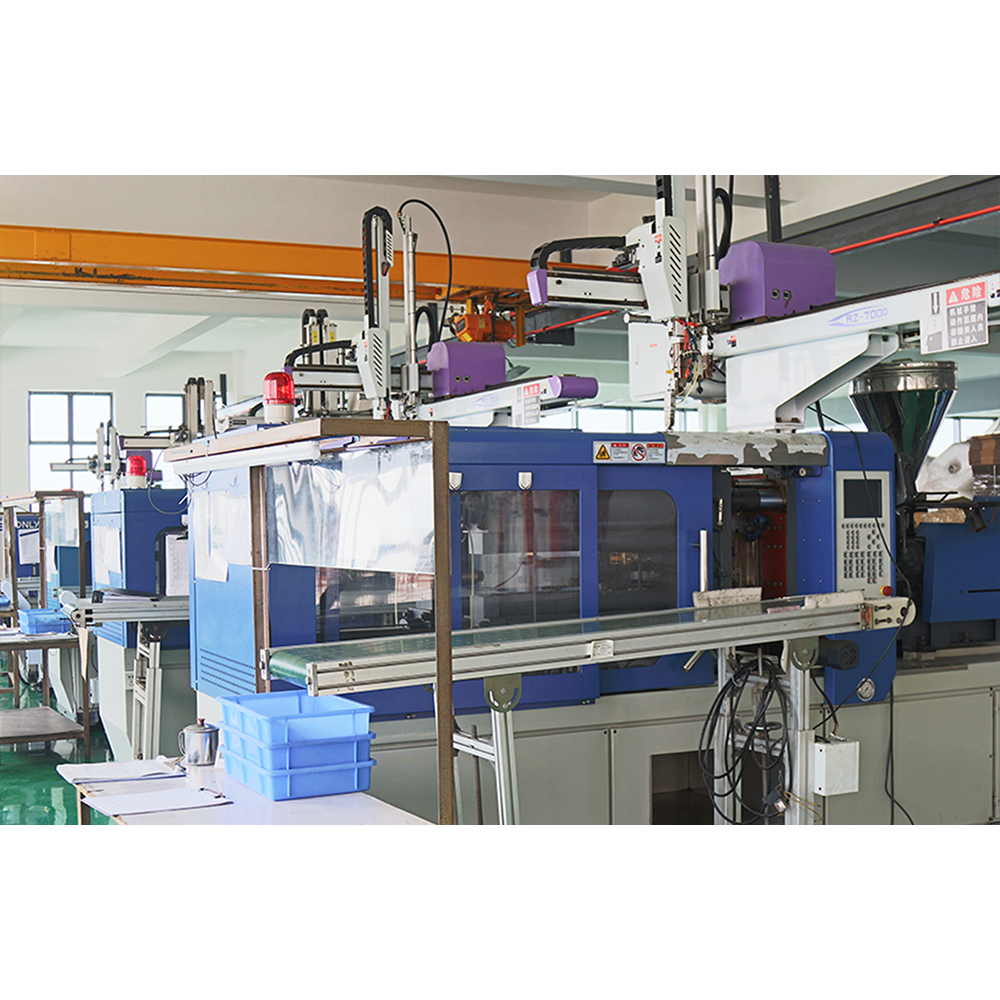
In today’s fast-paced manufacturing world, innovation and efficiency are key to staying ahead of the competition. Metal Injection Molding (MIM) has emerged as a transformative technology that offers manufacturers a unique combination of precision, flexibility, and cost-effectiveness. With its ability to produce high-quality, intricate metal components, MIM is making a significant impact across a wide range of industries, including automotive, medical, aerospace, and consumer electronics. What is Metal Injection Molding (MIM)? Metal Injection Molding (MIM) is a manufacturing process that combines the best features of plastic injection molding and traditional powder metallurgy. It begins with mixing fine metal powders with a binder to form a feedstock, which is then injected into a mold under high pressure. The molded parts undergo a sintering process, where the binder is removed, and the metal particles fuse together to create a solid, strong component. This process allows for the production of complex, high-precision metal parts in large volumes, making MIM an ideal solution for industries requiring both performance and cost-effectiveness. Advantages of MIM in Modern Manufacturing 1.Complex Geometries and PrecisionOne of the key benefits of MIM is its ability to produce intricate parts with high precision. Traditional metalworking techniques often struggle with complex geometries, but MIM excels at manufacturing parts with intricate features, fine details, and thin walls. This makes MIM a go-to technology for creating parts with complex internal and external shapes that cannot be achieved through conventional methods. 2.Cost-Effective ProductionMIM is ideal for large-scale manufacturing due to its cost-effectiveness. Once the initial tooling is created, the process is highly efficient, enabling the production of thousands of parts at a low per-unit cost. This is especially beneficial for industries that require high volumes of high-precision components, such as automotive and consumer electronics. 3.Material FlexibilityMIM supports a wide variety of materials, including stainless steel, titanium, copper, and alloys specifically tailored to the needs of the industry. This material flexibility allows manufacturers to select the optimal material for each application, balancing factors such as strength, corrosion resistance, and weight. 4.Strong, Durable PartsParts produced by MIM are known for their high strength and durability. The sintering process produces parts with mechanical properties comparable to forged and cast components, making them ideal for applications where performance and longevity are critical. 5.Reduced Material WasteCompared to traditional machining, MIM produces less material waste. Since the powder is compacted into the desired shape with minimal excess, the amount of scrap material is greatly reduced, making it a more environmentally friendly option for mass production. 6.Design Flexibility and CustomizationMIM offers manufacturers the ability to customize parts based on specific needs. Whether it’s a unique shape, specific material properties, or a customized design, MIM allows for the creation of tailor-made components, ensuring that the final product meets precise functional and aesthetic requirements. Applications of MIM in Modern Manufacturing MIM technology is increasingly being adopted across various industries for its ability to produce high-quality, complex parts. Some of the key applications include: ·Automotive Industry: MIM is used to produce engine components, gears, bearings, and other parts that require high strength and precision. ·Medical Industry: MIM allows for the production of intricate surgical tools, implants, and dental products that need to meet stringent quality standards. ·Aerospace Industry: MIM is used to manufacture lightweight, strong components for aircraft, such as turbine blades and structural parts. ·Consumer Electronics: MIM is employed in producing small, high-precision parts for devices like smartphones, connectors, and heat sinks. ·Industrial Equipment: MIM is also used for manufacturing components in power tools, machinery, and other heavy-duty equipment. The Future of MIM in Manufacturing As the demand for smaller, more complex, and high-performance components continues to grow, the role of MIM in modern manufacturing is expected to expand. With advancements in materials science and sintering technology, MIM is poised to offer even greater capabilities in terms of strength, material diversity, and production efficiency. The increasing adoption of MIM is a reflection of its ability to meet the evolving needs of industries that require high-quality, precision-engineered components. As industries continue to innovate, MIM will remain at the forefront of manufacturing technologies, helping companies streamline production and reduce costs while maintaining exceptional quality. Conclusion Metal Injection Molding (MIM) has become a game-changer in modern manufacturing, offering unparalleled precision, versatility, and cost efficiency. By enabling the production of complex, durable, and lightweight parts, MIM is transforming industries ranging from automotive to medical to consumer electronics. As the demand for advanced materials and manufacturing solutions increases, MIM will continue to play a crucial role in shaping the future of manufacturing.At our company, we leverage MIM technology to deliver high-quality, custom-engineered components that meet the diverse needs of our clients across industries. Whether you’re looking for precision parts for a new product or optimizing an existing design, MIM offers the perfect solution for your manufacturing needs.
Understanding the Powder Metallurgy Sintering Process
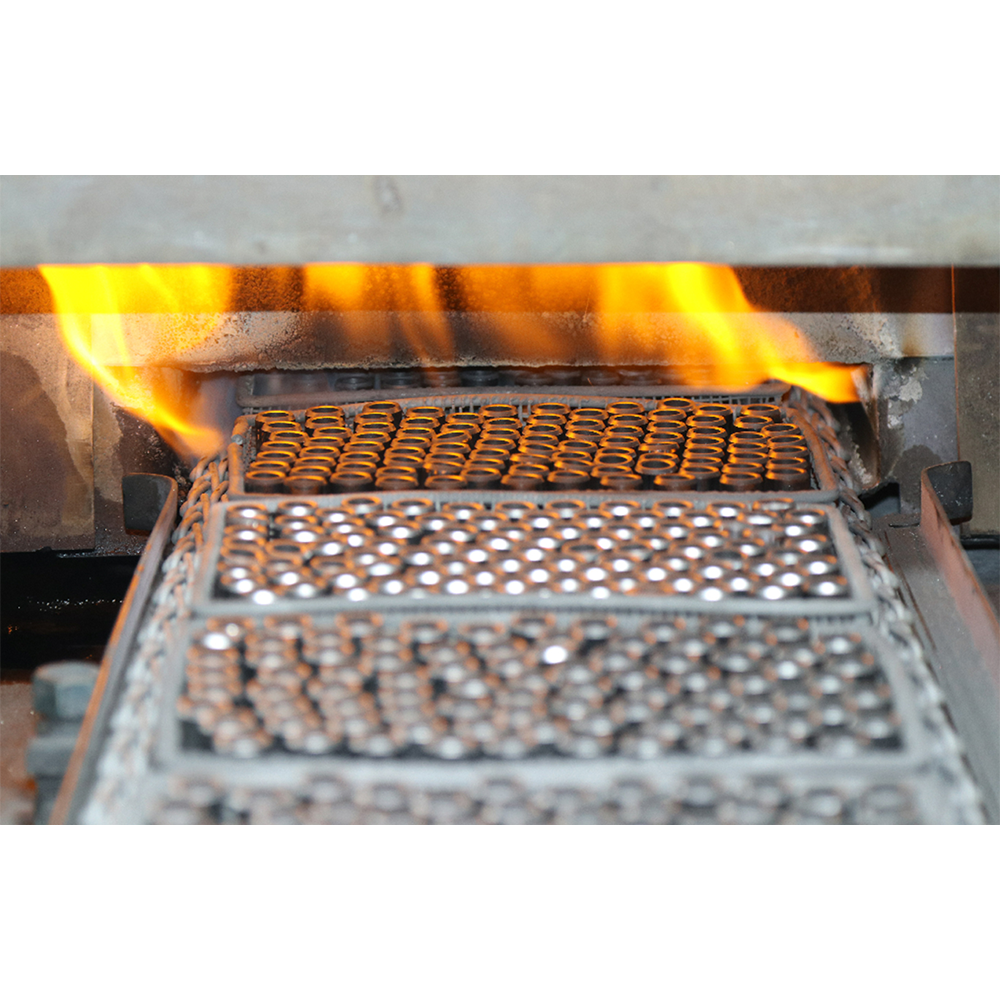
Powder metallurgy (PM) is a widely used manufacturing process that involves the creation of metal parts by compacting metal powders and then heating them to a temperature below their melting point. One of the key stages of this process is sintering, which is crucial for the final properties of the parts produced. In this article, we’ll break down what sintering is, how it works, and its significance in the powder metallurgy industry. What is Sintering? Sintering is the heat treatment process that binds the metal powder particles together to form a solid piece. During this stage, metal powders are heated in a furnace to a temperature just below their melting point, causing the particles to fuse together. The result is a strong, dense material that retains the shape formed during the compaction process. How Does the Sintering Process Work? The sintering process generally involves several stages: 1.Heating the Powder Compact: The metal powder mixture, which is compressed into a specific shape (usually by a mold), is placed into a furnace. The temperature is gradually raised. 2.Bonding of Particles: As the temperature increases, the particles begin to bond together at contact points, forming a network of solid material. This happens through the movement of atoms at the surface of the powder particles. 3.Densification: At higher temperatures, the powder particles experience shrinkage and densification, which results in a stronger and more solid part. The size and shape of the part are closely monitored to avoid distortion during this stage. 4.Cooling: After sintering, the part is carefully cooled at a controlled rate to prevent cracking or warping. The cooling rate can influence the final properties of the part, such as its hardness and internal structure. Why is Sintering Important? Sintering is a critical step in the powder metallurgy process because it directly influences the final properties of the part, including: Strength and Durability: The sintering process creates strong bonds between the powder particles, resulting in a part that is robust and resistant to wear. Density Control: Sintering allows for precise control over the density of the part, which is important for parts that require specific mechanical properties. Material Properties: The temperature and time parameters of sintering can be adjusted to achieve different material properties, such as hardness, flexibility, and corrosion resistance. Cost-Effectiveness: Sintering helps produce parts with complex geometries at a lower cost compared to traditional manufacturing methods, making it ideal for mass production. Applications of Sintering in Powder Metallurgy The sintering process is used in various industries to produce components with complex shapes and high performance. Some key applications include: Automotive Parts: Gears, bearings, bushings, and other components that require high strength and durability. Medical Devices: Surgical tools, implants, and dental products that require precise dimensions and biocompatibility. Aerospace Components: Lightweight and strong parts that must withstand extreme conditions. Electronics: Components such as connectors and heat sinks that need to be both precise and durable. Consumer Products: Watch cases, jewelry, and other small components that demand high-quality finishes. Conclusion Sintering is a fundamental step in the powder metallurgy process that ensures the production of strong, precise, and durable components. The ability to control the material properties through sintering allows for customization and efficiency, making it a preferred choice for many industries. Whether in automotive, aerospace, medical, or consumer products, sintering helps create the high-performance parts that are integral to modern manufacturing.At our company, we leverage the power of sintering in our powder metallurgy process to provide our clients with top-quality, reliable components tailored to meet their specific needs.
The Powder Metallurgy Process: A Comprehensive Overview
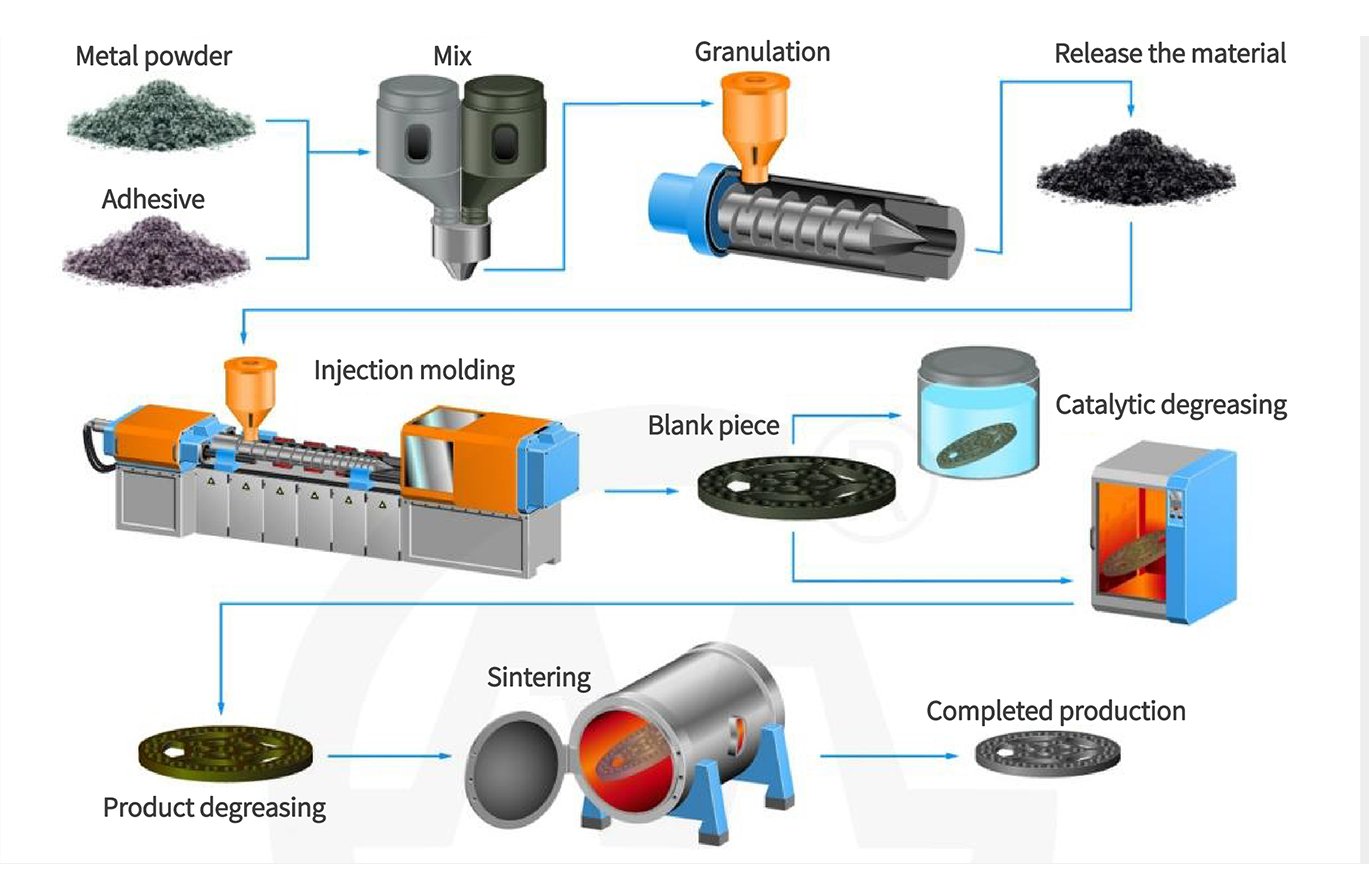
Powder metallurgy (PM) is a manufacturing process that produces metal parts by compacting metal powders and heating them to form solid shapes. This process is highly efficient, cost-effective, and ideal for producing parts with intricate geometries and superior mechanical properties. In this article, we’ll walk you through the key stages of the powder metallurgy process, highlighting how each step contributes to creating high-quality, durable components. 1. Powder Preparation The first step in the powder metallurgy process involves selecting and preparing the metal powders. High-quality metal powders are essential for ensuring the final product has the desired mechanical properties. These powders can be made from various materials, such as iron, stainless steel, copper, and tungsten, depending on the application. ·Metal Powder Selection: The type of metal powder used is determined by the requirements of the final product. Common metals include ferrous and non-ferrous powders, which are chosen based on factors like strength, wear resistance, and corrosion resistance. ·Mixing and Granulation: The metal powders are then mixed with additives like lubricants or binders to enhance the flow and compaction properties. Granulation is performed to ensure a uniform distribution of the powder particles. 2. Mixing and Granulation Once the metal powders are selected, they are blended with binders or lubricants to improve the flow and moldability of the material. Granulation helps create uniform-sized powder particles, which ensures consistent compaction during molding. This step is critical for achieving uniform density and performance in the final part. ·Binder Addition: An adhesive is mixed with the metal powder to hold the particles together during the initial stages of molding. ·Granulation: The powder mixture is processed into granules that are easier to handle and compact, ensuring consistency in the final product. 3. Injection Molding The granulated metal powder is then fed into an injection molding machine, where it is heated and injected into a mold cavity under high pressure. This process creates a green compact, which is the shape of the part before it undergoes further processing. ·Mold Design: Molds are created based on the specific geometry of the part. The injection molding machine ensures that the powder mixture is evenly distributed and compacted into the desired shape. ·Blank Piece Formation: The product, in its initial form, is now ready for the next stage of processing. This “blank piece” retains the shape it will take after sintering. 4. Degreasing The next step is degreasing, which involves removing the binder or adhesive used during the molding process. This is typically done through catalytic degreasing, which eliminates the organic materials without affecting the metal powder. ·Product Degreasing: The blank piece is heated to remove any residual binder material, leaving behind the compact metal structure. ·Catalytic Degreasing: This process uses a chemical reaction to efficiently break down the binder, making the part ready for sintering. 5. Sintering Sintering is the critical step that involves heating the degreased blank piece in a furnace to a temperature below its melting point. During this phase, the metal particles fuse together, creating a solid part. The temperature and time in the furnace are carefully controlled to ensure the desired properties, such as density, strength, and hardness. ·Controlled Heating: The part is heated to the sintering temperature, where the metal particles begin to bond together at their contact points, causing the part to densify. ·Material Transformation: The material undergoes a structural change, forming a solid, strong part that retains its shape and has the mechanical properties required for its final application. 6. Completed Production After sintering, the part undergoes cooling, and additional processes, such as surface finishing, may be applied. The result is a fully formed, durable, and high-precision metal part. ·Final Inspection: The completed part is inspected for quality, ensuring it meets all specified tolerances and requirements. ·Surface Finishing: Depending on the application, the part may undergo additional processes like coating, polishing, or heat treatment to enhance its surface quality or properties. Applications of Powder Metallurgy The versatility of powder metallurgy makes it an ideal manufacturing solution for a wide range of industries, including: ·Automotive: Parts such as gears, bearings, bushings, and engine components. ·Medical: Surgical tools, implants, and dental products. ·Consumer Electronics: Connectors, housings, and microcomponents for devices. ·Aerospace: High-performance parts for critical applications. ·Industrial Tools: Cutting tools, drill bits, and machine components. Conclusion Powder metallurgy is an efficient and cost-effective process for producing high-precision metal components with complex shapes and superior mechanical properties. The sintering process plays a vital role in transforming the metal powders into durable, functional parts that meet the demanding requirements of various industries. With its ability to produce strong, lightweight, and complex parts, powder metallurgy is an essential technology in modern manufacturing.At our company, we leverage the latest advancements in powder metallurgy to deliver top-quality products that meet the highest standards of performance and reliability.