
Powder Metallurgy – Precision and Efficiency in Component Production
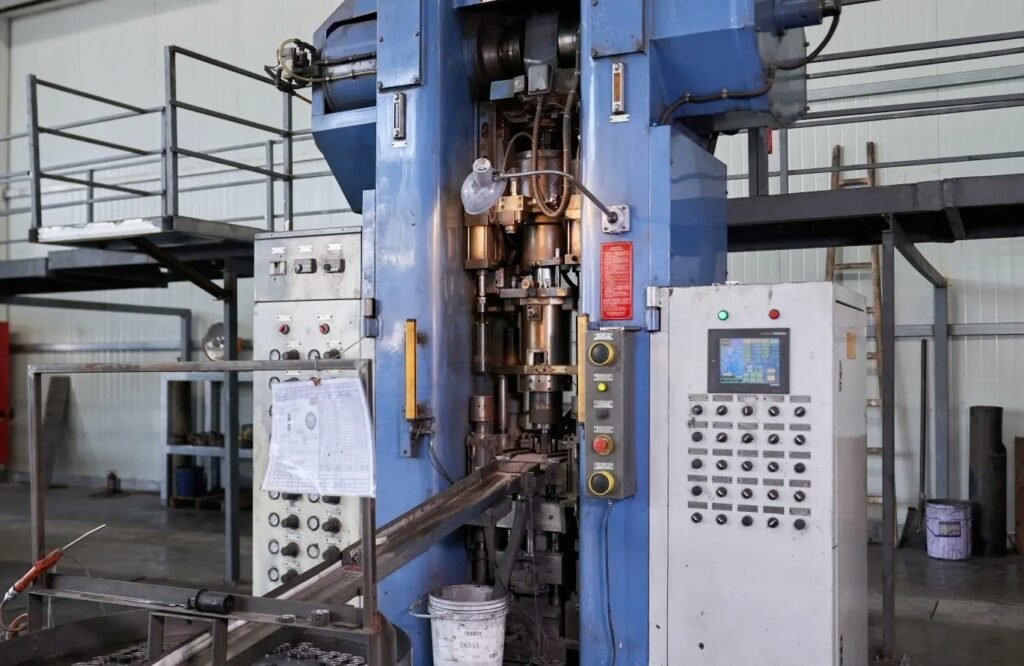
Introduction Powder metallurgy (PM) is a highly specialized manufacturing process that uses powdered metals to produce complex parts with excellent mechanical properties. The method combines material science and engineering precision, offering manufacturers a path to cost savings, design flexibility, and sustainability. In industries ranging from automotive to medical, powder metallurgy provides a reliable solution for producing strong, lightweight, and intricate components. What is Powder Metallurgy? Powder metallurgy involves four main steps: This process enables near-net-shape manufacturing, minimizing material waste and machining requirements. Key Benefits of Powder Metallurgy Applications of Powder Metallurgy Emerging Trends in Powder Metallurgy Conclusion Powder metallurgy is more than just an alternative to conventional machining—it is a forward-looking technology that aligns with the industry’s goals of efficiency, performance, and sustainability. By enabling near-net-shape production and advanced material properties, PM continues to play an essential role in industries that demand high-quality, cost-effective, and innovative solutions.